Last month, we found some cool marine critters at Clifton Springs. This was at the main beach just behind the harbour. We did a bit of wandering while there and saw that there was another beach behind the harbour that looked cool. There were a lot of rocks to potentially look under and what looked like other wooden pier bases. The walk to get down to that section was pretty steep though.
I used Google Maps and Street View to see if there was an alternate way to access that beach. I found what looked to be an area for cars to park on Edgewater drive plus steps to a different beach. We choose to visit this beach to see what we could find.
I preferred the main beach a lot more than this beach. The ground was covered with seaweed and I couldn’t see where I was walking. This made me very nervous as I don’t know enough about blue ringed octopus behaviour yet and they are common in the area.
There didn’t seem to be as much variety here and I didn’t see any of the large nudibranches.
Sea Squirts

I’ve had a number of sea squirts identified as likely Pyura dalbyi – especially around Corio Bay. They are particularly prominent around artificial structures.
I’m not sure if these are the same. The colouring seems different: more pink than orange. However, that could havve been the flash. The endings look a bit different.
I have been noticing a lot of variation within the species I’ve labelled as P. dalybi. I’m going to start noting down the patterns and double check if I’ve labelled them correctly.


Native species
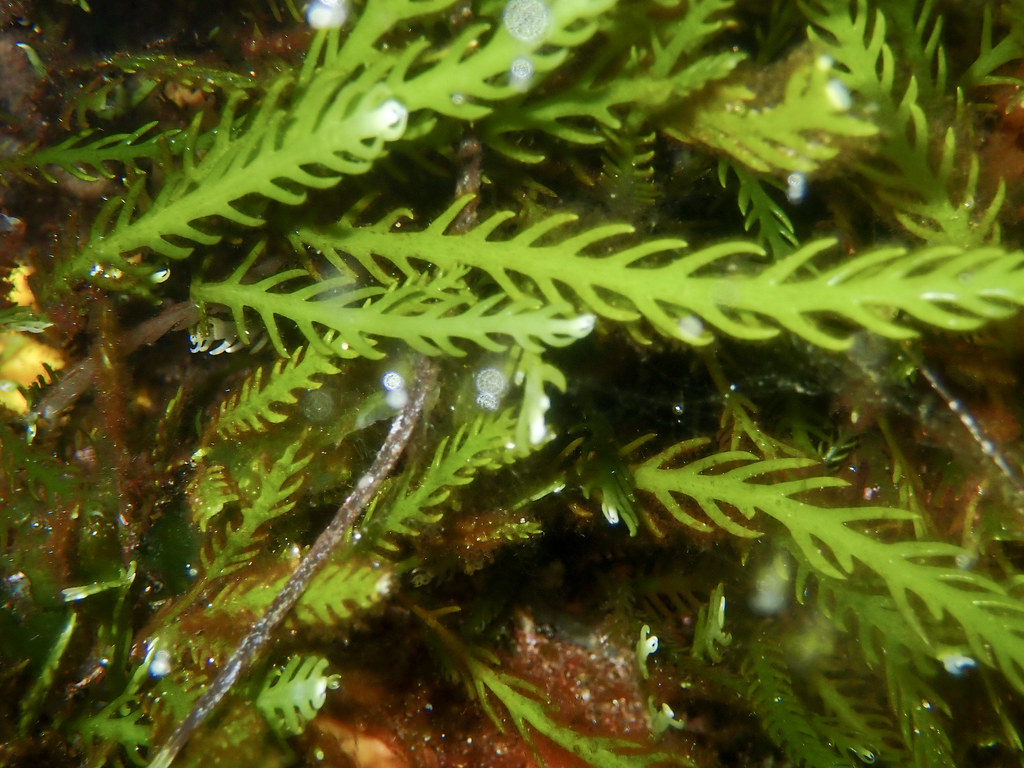
I don’t try to identify too many of the marine plants. I’m so overwhelmed by ascidians and the other creatures I find. I only get photos of plants if there are significant visual differences.
The thingies that come out of the side of the plant are ramuli, or short side branches. The branches on this plant are alternating instead of being side by side. This means that it is one of the native species: Caulerpa alternans or Caulerpa remotifolia. If the ramuli were side by side then it could be Caulerpa taxifolia, an invasive species.
This page has useful information about the species locally and how to tell them apart from native species. Although apparently it’s an algae?
Marine life is so confusing.


Other

I’m getting an ascidian/botrylloide vibe from the above orange species. It’s likely a sea sponge.
